Most states provide up to 26 weeks of regular unemployment benefits, which is roughly six months of financial support while you search for new work. But what happens when those weeks run out and you still have not found a job? For millions of Americans during economic downturns, this is not a hypothetical question — it is a pressing reality. The good news is that unemployment extension programs exist precisely for this situation, providing additional weeks of benefits when the economy is struggling and jobs are hard to find. The bad news is that these extensions are not always available, the rules are complex, and many eligible claimants miss out because they do not know the programs exist or how to apply.
This guide explains every type of unemployment extension program, when they become available, who qualifies, how many extra weeks you can receive, and what you need to do to get them. Whether you are approaching the end of your regular benefits or you have already exhausted them, understanding the extension landscape can mean the difference between continued financial support and a gap in income. If you are unsure how many weeks of regular benefits your state provides, our benefits duration guide breaks down the maximum weeks available in every state.
What Are Unemployment Extension Programs?
Unemployment extension programs are additional layers of benefit payments that kick in after you have exhausted your regular state unemployment benefits. Think of them as a safety net below the safety net. Regular unemployment insurance, which is funded by employer payroll taxes at the state level, typically provides between 12 and 26 weeks of benefits depending on your state and your earnings history. Extension programs are designed to provide additional weeks of support when economic conditions make it unusually difficult for claimants to find work, and they are triggered by specific economic indicators rather than individual circumstances.
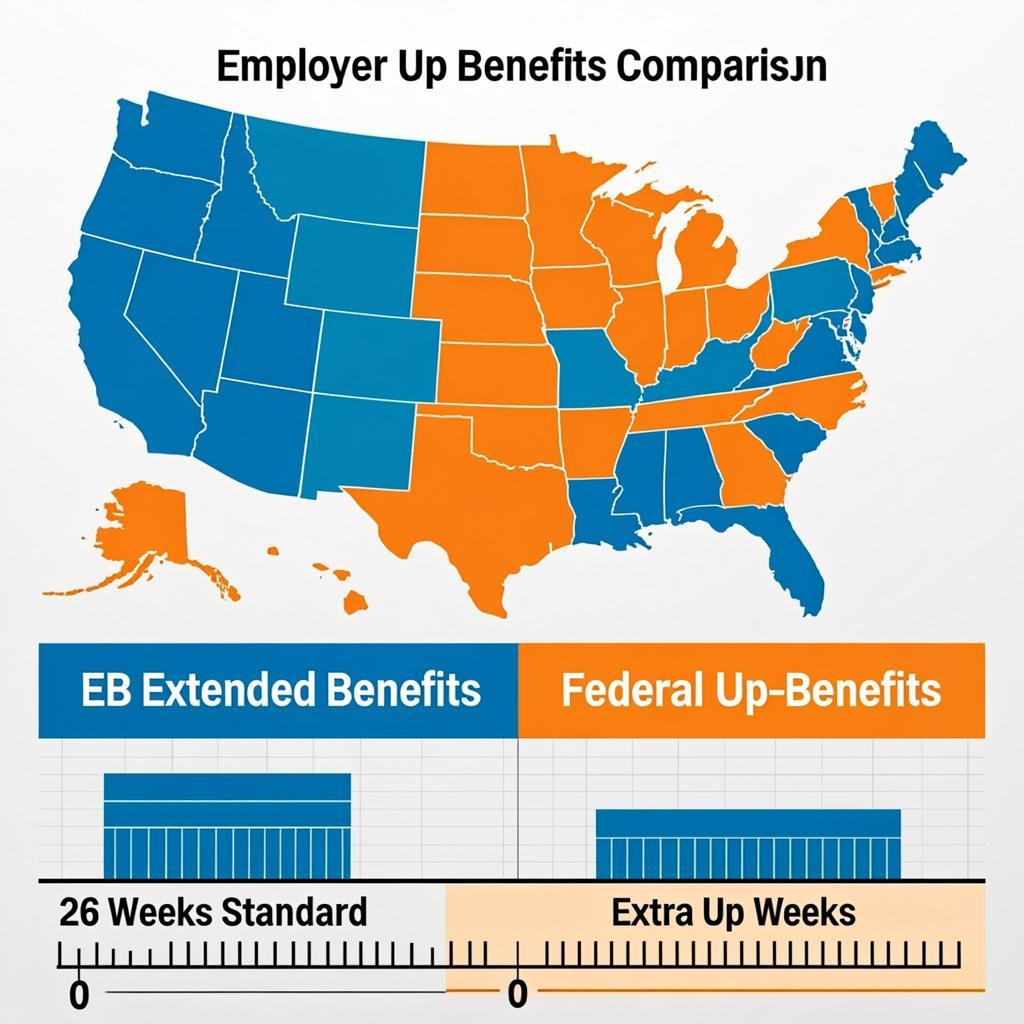
There are two main types of extensions that you should understand. The first is Extended Benefits, or EB, which is a permanent program that has existed since 1970 and is automatically triggered when a state's unemployment rate rises above a certain threshold. The second type is federal extensions, which are temporary programs enacted by Congress during national emergencies, such as the Great Recession or the COVID-19 pandemic. Federal extensions are not permanent and they do not exist during normal economic times, but when they are enacted, they can provide significant additional weeks of benefits. Understanding the difference between these two types of extensions is critical because the availability, eligibility requirements, and application processes are completely different. If you are just starting your claim, our application guide covers the initial steps.
Extended Benefits (EB): The Permanent Extension Program
Extended Benefits, commonly referred to as EB, is the most important extension program to understand because it is a permanent part of the unemployment insurance system. It was created by the federal Extended Benefits Act of 1970 and is jointly funded by the federal government and the states. EB is not available all the time — it is triggered on and off based on a state's unemployment rate relative to specific thresholds defined in the law. When a state's unemployment rate rises above the trigger level, EB automatically becomes available to eligible claimants in that state. When the rate falls below the threshold, EB is turned off.
The standard EB trigger occurs when a state's insured unemployment rate (the percentage of people receiving unemployment benefits relative to the total insured workforce) reaches 5 percent or higher and is at least 20 percent above the rate for the same period in each of the two preceding years. This is called the 5/120 percent trigger. Some states have adopted an optional trigger that makes EB available when the total unemployment rate reaches 6.5 percent, regardless of the historical comparison. The number of weeks of EB available depends on the trigger level and the state, but the maximum is typically 13 weeks, or half the number of regular weeks available in the state. During periods of extremely high unemployment, some states can offer up to 20 weeks of EB.
One of the most important things to know about EB is that the eligibility requirements are stricter than for regular benefits. During EB, you must meet the same work search requirements as regular benefits, but you must also be able to demonstrate that you are actively engaged in a systematic and sustained effort to find work. Some states require you to document at least three job contacts per week during EB, compared to two during regular benefits. Additionally, EB may require you to accept work that pays a lower wage than you would have been required to accept during regular benefits, as the definition of "suitable work" narrows during extension periods. If you are approaching the end of your regular benefits, our benefits exhaustion guide explains what to expect.
How Much Do You Receive During Extensions?
The amount you receive during extension periods is typically the same as your regular weekly benefit amount. EB and most federal extensions do not reduce your payment — you continue to receive the same dollar amount per week that you received during regular benefits. This is an important point because many claimants assume that extension benefits are reduced or that they will receive a lower amount. In most cases, your weekly benefit amount stays the same throughout the entire extension period, and the only difference is the funding source and the program name.
However, there are some exceptions. During certain federal extension programs, Congress has set a minimum weekly benefit amount that may be higher than what some claimants were receiving under regular state benefits. For example, during the COVID-19 pandemic, the Federal Pandemic Unemployment Compensation program added $600 per week to all unemployment payments, including extensions. Additionally, some states have a minimum benefit amount that applies during EB periods, which may be different from the regular minimum. If you are receiving partial benefits because of part-time work, the same earnings disregard rules apply during extensions as during regular benefits. Our benefit calculation guide explains how your weekly amount is determined.
Which States Currently Offer Extended Benefits?
The availability of EB is not static — it changes as state unemployment rates rise and fall. When the national economy is strong and most states have low unemployment, EB may not be available in any state. During a recession, dozens of states may trigger EB simultaneously. As of 2026, the states that are currently triggering EB are those with insured unemployment rates that meet the threshold requirements. The Department of Labor publishes a weekly trigger notice that lists which states are currently offering EB, and this information is updated every Sunday. You can check the current status on the Department of Labor's website or by contacting your state unemployment office.
It is important to understand that EB is not a choice — it is automatic. When a state triggers EB, all eligible claimants who have exhausted their regular benefits are automatically transitioned to EB. In most states, you do not need to file a separate application for EB. If you are receiving regular benefits when EB triggers, your state will notify you that you are eligible for additional weeks, and the transition will happen seamlessly. However, if you have already exhausted your regular benefits and EB triggers later, you may need to contact your state unemployment office to re-activate your claim. If your state does not currently offer EB, you may still be eligible for other forms of assistance. Our guide to what happens when benefits run out covers alternative resources.
Federal Extensions: When Congress Steps In
Federal extensions are temporary programs enacted by Congress during severe economic crises. Unlike EB, which is a permanent part of the unemployment insurance system, federal extensions are created from scratch each time they are needed and they expire when the crisis subsides. The most significant federal extensions in recent history were enacted during the Great Recession of 2008-2009 and the COVID-19 pandemic of 2020-2021. During the Great Recession, the Emergency Unemployment Compensation program provided up to 53 additional weeks of benefits in the hardest-hit states, and during the pandemic, the Federal Pandemic Unemployment Compensation program provided supplemental payments and extended benefits to millions of workers.
Federal extensions are typically more generous than EB in terms of the number of additional weeks available, and they often have lower eligibility thresholds. However, they are also unpredictable. There is no guarantee that Congress will enact a federal extension during the next economic downturn, and the political process can be slow. During the Great Recession, it took several months for Congress to pass the first extension, and the program was repeatedly extended on a short-term basis, creating anxiety for claimants who did not know whether their benefits would continue. If a federal extension is enacted while you are receiving benefits, your state unemployment office will notify you automatically, and you will be transitioned to the new program without having to reapply in most cases. If you want to understand how the standard benefit duration works, our benefits duration guide provides a complete breakdown.

Eligibility Requirements for Extensions
To qualify for any unemployment extension, you must first have exhausted your regular state benefits. This means you must have received all the weeks of regular benefits that you were entitled to, or your benefit year must have ended. You cannot skip regular benefits and go directly to an extension. Additionally, you must continue to meet all the ongoing eligibility requirements for unemployment benefits, including being able and available for work, actively seeking employment, and being willing to accept suitable work. During EB periods, the definition of suitable work is narrower, meaning you may be expected to accept lower-paying or less desirable positions than you would during regular benefits.
The work search requirements during extension periods are typically stricter than during regular benefits. While regular benefits may require two job contacts per week, EB often requires three or more. Some states require claimants on EB to register with the state job service, attend reemployment services, or participate in job search workshops. If you fail to meet these enhanced requirements, your EB benefits can be denied even if you met all the requirements during regular benefits. It is also worth noting that the earnings test during EB is the same as during regular benefits — if you earn more than your weekly benefit amount plus the disregard, your payment for that week will be zero. If you are working part-time while on extensions, our part-time work guide explains how earnings affect your payment.
How to Apply for Extensions
In most states, you do not need to file a separate application for EB or federal extensions. The transition from regular benefits to extensions is handled automatically by the state unemployment system. When you exhaust your regular benefits and EB is triggered in your state, your claim will be automatically extended, and you will continue certifying as you normally would. You should receive a notification from your state unemployment office informing you that you are now receiving EB, along with any changes to the work search requirements or other eligibility criteria.
However, there are some situations where you may need to take action. If your benefit year has ended — meaning the 12-month period from when you first filed your claim has expired — you may need to file a new claim. If you are eligible for a new regular claim, you must file that claim first before you can receive any extensions. If you are not eligible for a new regular claim because you have not earned enough wages in your base period, you may then be eligible for EB on your prior claim. Additionally, if you have a gap between when your regular benefits ended and when EB triggered, you may need to contact your state unemployment office to retroactively claim the weeks you missed. If you need help checking your claim status, our claim status guide walks you through the process.
What Happens Between Regular Benefits and Extensions?
One of the most stressful periods for unemployment claimants is the gap between when regular benefits end and when extension benefits begin. This gap can last anywhere from a few days to several weeks, depending on your state and the timing of the trigger. During this gap, you will not receive any unemployment payments, and you may be unsure whether extensions will become available. The best thing you can do during this period is to continue certifying if your state allows it, keep detailed records of your job search activities, and stay in contact with your state unemployment office.
In some states, there is a seamless transition between regular benefits and EB, and you may not even notice a gap. In other states, there may be a processing delay of one to two weeks while the system transitions your claim to the extension program. If EB is triggered after you have already exhausted your regular benefits, there may be a longer gap as the state processes the retroactive claims. During the Great Recession and the COVID-19 pandemic, many states experienced significant processing delays because of the volume of claims, and some claimants waited weeks or even months to receive their extension benefits. If you are experiencing a gap, contact your state unemployment office to confirm that your claim is being processed and to ask about the expected timeline. If you are concerned about your benefits running out, our benefits exhaustion guide covers what to prepare for.

Key Dates and Deadlines to Know
Understanding the timing of extension programs is critical to maximizing your benefits. Your benefit year begins on the date you file your initial claim and lasts for 52 weeks. During that year, you can receive up to the maximum number of weeks available in your state, which is typically 26 weeks for regular benefits. If EB is triggered, the additional weeks are added to your claim within the same benefit year. However, if your benefit year ends before you have used all your extension weeks, you may lose those remaining weeks unless you file a new claim and are eligible for a new benefit year.
Federal extensions have their own set of deadlines that are set by Congress when the program is enacted. These deadlines typically include an end date for new enrollments and an end date for payments. If a federal extension program is set to expire, Congress may extend it, but there is no guarantee. If you are receiving federal extension benefits and the program is approaching its expiration date, you should make contingency plans in case the program is not extended. The Department of Labor and your state unemployment office will provide updates on any changes to federal extension programs. If you are tracking your certification dates, our certification guide helps you stay on schedule.
Common Mistakes That Cost Extension Benefits
Many claimants who are eligible for extension benefits miss out because of avoidable mistakes. The most common mistake is simply not knowing that extensions exist. When you exhaust your regular benefits, you may receive a notice that your claim has ended, but you may not receive clear information about whether you are eligible for EB or a federal extension. If you are not sure, call your state unemployment office and ask. Do not assume that no more benefits are available just because your regular claim has ended.
Another common mistake is failing to meet the enhanced work search requirements during EB. During regular benefits, your state may require two job contacts per week, but during EB, that number may increase to three or more. If you continue making only two contacts per week because you are not aware of the change, your EB benefits could be denied. Similarly, some claimants stop certifying during the gap between regular benefits and extensions, assuming that there is no point in certifying when they are not receiving payments. This is a mistake because some states require continuous certification during the transition period, and missing certifications can result in lost weeks that cannot be recovered. If you have made mistakes on your certification, our certification mistakes guide explains how to fix them.
Key Takeaways
Disclaimer:This article provides general information about unemployment extension programs. Extension availability, eligibility requirements, and benefit amounts vary by state and are subject to change based on economic conditions and federal legislation. Always verify current extension status with your state's unemployment agency. If you need personalized advice, consult a qualified legal or financial professional.