
Every week when you certify for unemployment benefits, you are asked the same critical question: were you able and available for work? It seems simple enough. But the reality is that available for work is one of the most misunderstood and frequently contested requirements in the entire unemployment system. Claimants lose benefits every day because they answer this question incorrectly or because their state interprets availability differently than they expected. Understanding exactly what available for work means, what it does not mean, and how your state applies it can protect you from denied claims, overpayment notices, and fraud investigations.
This guide breaks down the available for work requirement in detail. You will learn the legal definition, the practical tests that states use to determine whether you were truly available, the most common reasons claimants fail this requirement, how to handle situations like illness, childcare, and travel that affect your availability, and what to do if your claim is denied because you were not considered available. If you are new to the certification process, our complete certification guide explains the basics of weekly and biweekly claims.
The Legal Definition of Available for Work
Under federal unemployment insurance law, available for work means that you are ready, willing, and able to accept suitable employment immediately when it is offered to you. This is not a theoretical concept. It is a practical test that asks a simple question: if a suitable job offer came your way right now, could you accept it and start working within a reasonable timeframe? Most states interpret reasonable timeframe as within 24 to 48 hours. If you could not start a job within that window because of a personal restriction, you may not be considered available for work.
The available for work requirement is closely related to but distinct from the able to work requirement. Able to work refers to your physical and mental capacity to perform work. Available for work refers to your freedom from restrictions that would prevent you from accepting a job. You can be physically able to work but not available, for example, if you have no childcare and cannot leave your children to go to work. You can also be available but not able, for example, if you are recovering from surgery and cannot physically perform any job. Both requirements must be met simultaneously to qualify for benefits. If you want to understand all the eligibility criteria, our eligibility guide covers the full requirements.
What Counts as Available for Work
Being available for work means you have no significant restrictions that would prevent you from accepting a suitable job offer. Here are the factors that demonstrate availability. You have reliable transportation to get to and from a job. You have no medical restrictions that prevent you from working. You have childcare or dependent care arrangements that allow you to work during normal business hours. You are not enrolled in a full-time educational program that conflicts with normal work hours, unless the program is approved as part of a training program. You are not traveling or away from your local labor market. You have a working phone number where employers can reach you. You can start work within a reasonable timeframe, typically 24 to 48 hours after receiving an offer.
It is important to understand that availability is not about your willingness to work. Most unemployed people are willing to work. Availability is about your practical ability to accept a job if one is offered. If you want to work but you have a restriction that prevents you from starting, you are not available in the eyes of the unemployment system. This distinction is critical because it means you can be denied benefits even if you genuinely want to work. For more on how to handle certification questions, our certification questions guide explains each question in detail.
What Does NOT Count as Available for Work
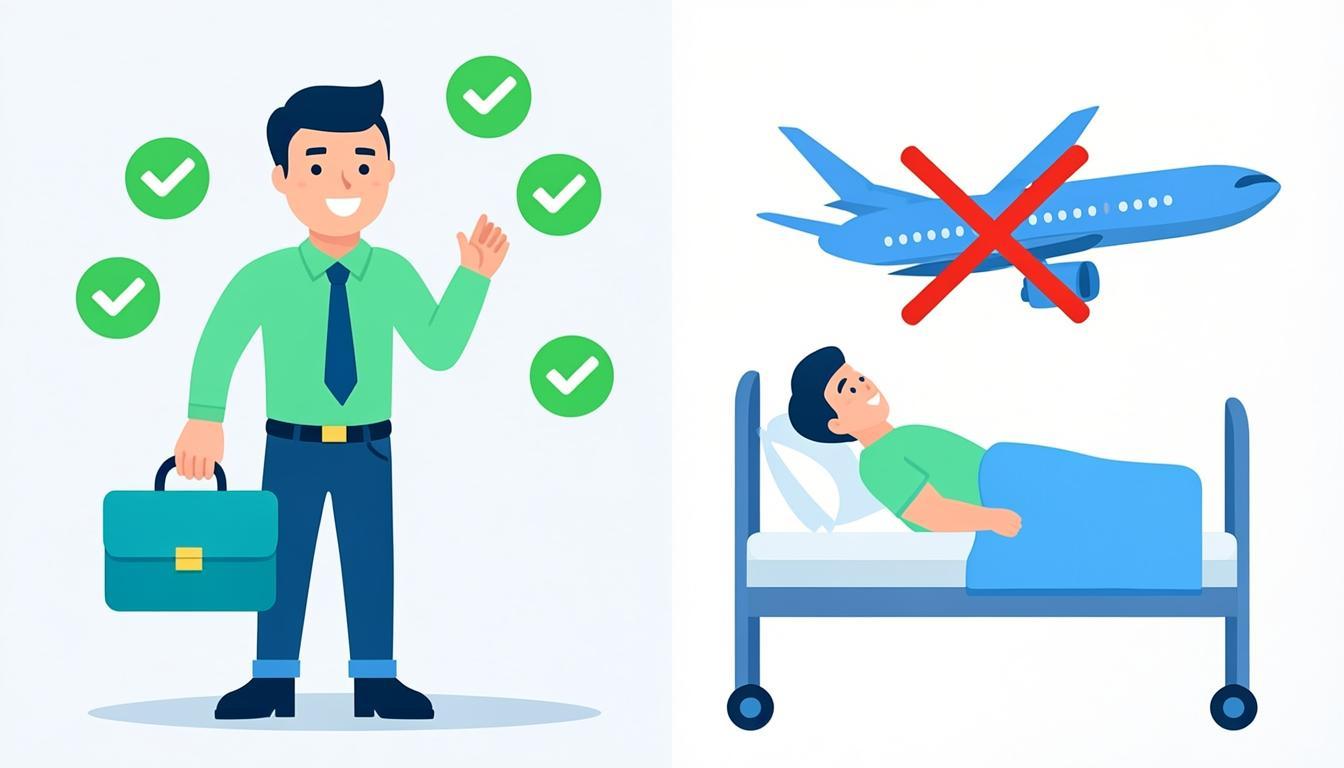
There are many situations that can disqualify you from being considered available for work, even if you believe you are ready to work. The most common disqualifying situations include having no childcare during work hours. If you have young children and no one to care for them while you are at work, you are not available for work. This is one of the most common reasons claimants are denied benefits, and it disproportionately affects women. Some states have made exceptions for claimants who can demonstrate they are actively seeking affordable childcare, but the rules vary.
Being out of the local labor market is another common disqualifier. If you are traveling outside your commuting area and cannot return within a reasonable timeframe to accept a job, you are not available for work. This applies even if you are traveling for a good reason, such as a family emergency or a wedding. If you want to understand the rules about certifying while traveling, our traveling certification guide covers the specific requirements. Other disqualifying situations include being enrolled in a full-time educational program that conflicts with work hours, having a medical restriction that prevents you from performing any type of work, and being incarcerated or under house arrest.
How States Interpret Availability Differently
One of the most frustrating aspects of the available for work requirement is that states interpret it differently. What qualifies as available in one state may not qualify in another. For example, some states consider a claimant who is attending school full-time to be available for work if they are willing and able to quit school to accept a job. Other states automatically consider full-time students to be unavailable for work regardless of their willingness to quit. Similarly, some states allow claimants to restrict their availability to their usual occupation or industry, while others require claimants to be available for any type of work they are capable of performing.
The definition of your local labor market also varies by state. Some states define it as the area within a reasonable commuting distance, typically 30 to 50 miles. Others use a time-based definition, such as within 60 minutes of travel time. If you live in a rural area with limited job opportunities, the definition of your local labor market can significantly affect your ability to find work and your eligibility for benefits. If you want to understand how your benefit amount is calculated, knowing the availability rules is essential.
Frequently Asked Questions
Can I be available for work if I have a medical condition? It depends on whether your condition prevents you from performing any type of work. If you can perform some types of work with reasonable accommodations, you may still be considered available. If your condition prevents you from working entirely, you are not available for work.
Does being in school make me unavailable for work? In most states, full-time enrollment in an educational program that conflicts with normal work hours makes you unavailable for work. However, some states allow you to be available if you can demonstrate that you would quit school to accept a job. If you are considering school while on unemployment, our school and unemployment guide explains the rules.
What if I can only work certain hours? If you restrict your availability to specific hours or days, you may not be considered available for full-time work. Some states allow part-time availability if you are seeking part-time work, but the rules vary. If you are working part-time, our part-time income reporting guide explains how earnings affect your benefits.
Disclaimer:This article provides general information about the available for work requirement for unemployment benefits. Availability definitions, restrictions, and interpretations vary by state and are subject to change. Always verify current rules with your state's unemployment agency. If you need personalized advice, consult a qualified legal or financial professional.