
When you file for unemployment benefits and your claim is approved, you might expect to receive a payment for your very first week of unemployment. In most states, you will not. The first week for which you are otherwise eligible is unpaid. This is called the waiting week, and it functions as a one-week delay before your benefit payments begin. The concept has been part of the unemployment insurance system since its creation in the 1930s, but in recent years, a growing number of states have eliminated it entirely. Understanding whether your state has a waiting week, how it works, and what it means for your total benefits is essential for planning your finances during the transition period after job loss.
This guide explains what the waiting week is, why it exists, which states still require it, which states have eliminated it, and how it affects the total amount you receive over the life of your claim. If you are curious about the overall timeline for receiving your first payment, our first check wait times guide covers the full timeline from filing to payment.
How the Waiting Week Works
The waiting week is the first week of your claim for which you meet all eligibility requirements but do not receive a payment. You must still certify for this week. You must still be able, available, and actively seeking work. You must still report any earnings. The only difference is that instead of receiving your full weekly benefit amount, you receive nothing. The waiting week serves as a one-time deductible period at the beginning of your claim. After the waiting week, you receive your full benefit for every subsequent week that you are eligible and certify.
It is important to understand that the waiting week is not an extra week tacked onto the beginning of your claim. It is simply the first eligible week for which no payment is issued. If your state provides 26 weeks of benefits and has a waiting week, you still receive 26 weeks of payments. The waiting week is week one, and then weeks two through 27 are paid. However, some states count the waiting week as one of your 26 weeks, which means you effectively receive only 25 weeks of payment. This is a critical distinction that affects your total benefits, and it varies by state. If you want to understand the full duration, our benefits duration guide explains maximum weeks by state.
States That Have Eliminated the Waiting Week
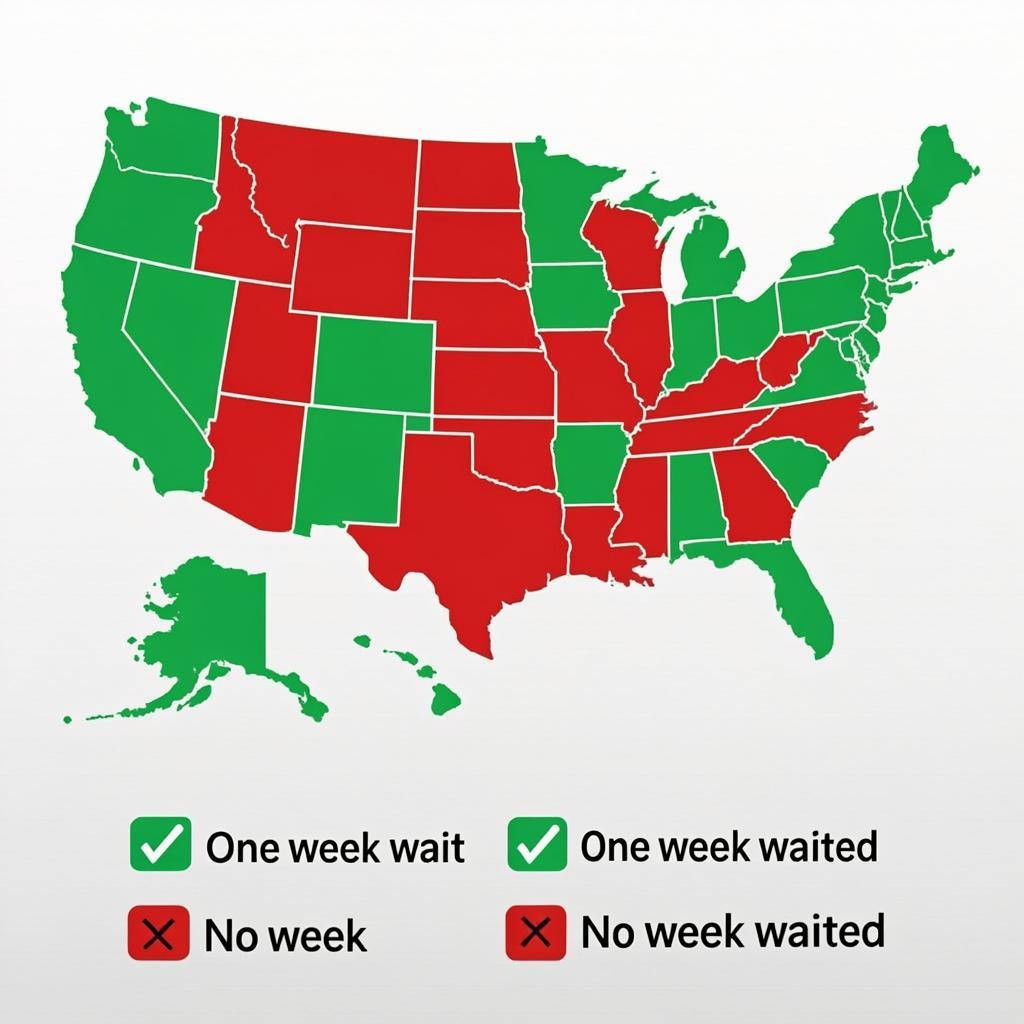
A growing number of states have recognized that the waiting week creates an unnecessary financial hardship for newly unemployed workers and have eliminated it entirely. In these states, you receive payment for your very first eligible week just like every other week. There is no unpaid delay. The trend toward eliminating the waiting week accelerated during the COVID-19 pandemic when many states temporarily suspended it as an emergency measure, and some decided to make the change permanent afterward.
States that have eliminated the waiting week include California, which pays benefits from the first eligible week with no unpaid delay. New Jersey also eliminated its waiting week, meaning claimants receive their first payment a week sooner than they would in states that still require it. Other states that have eliminated the waiting week include Michigan, Wisconsin, and several others. The exact list changes as more states reconsider this policy, so you should verify with your state unemployment office whether a waiting week currently applies. Even within states that have eliminated the waiting week, there may be specific circumstances where a delay still applies, such as if you have earnings during your first week that exceed your weekly benefit amount. Our benefit amount guide helps you understand what to expect.
How the Waiting Week Affects Your Total Benefits
The financial impact of the waiting week depends on whether your state counts it as one of your maximum benefit weeks. If the waiting week is counted as one of your 26 weeks, you effectively lose one week of pay. On a $400 weekly benefit, that is $400 less in total benefits over the life of your claim. If the waiting week is not counted as one of your 26 weeks, you still receive 26 weeks of payment, but the first one is simply delayed by a week. In this case, the financial impact is a one-week delay in receiving your first payment, not a permanent loss of benefits.
Some states have a compromise approach where the waiting week is initially unpaid but can be paid later if you exhaust your regular benefits. In these states, the waiting week is essentially held in reserve. If you reach the end of your 26 weeks and have not found work, the state may pay you for the waiting week as an additional week of benefits. This approach reduces the financial impact of the waiting week but only for claimants who use their full benefit entitlement. If you find a job before exhausting your benefits, you never receive payment for the waiting week. Understanding your maximum benefits by state helps you calculate the full impact.
Do You Have to Certify During the Waiting Week?
Yes. Even though you do not receive a payment during the waiting week, you must still certify for it. This means you must log into your state unemployment system or call the certification line and answer the same questions you answer for every other week. Were you able and available for work? Did you refuse any job offers? Did you earn any income? If you fail to certify for the waiting week, it can cause problems with your claim, including delayed payments for subsequent weeks.
If you earn income during the waiting week, the rules vary by state. In some states, any earnings during the waiting week disqualify you from having that week count as your waiting week, which means your waiting week is pushed to the following week. In other states, you can earn up to your weekly benefit amount during the waiting week without affecting it. If you earn more than your weekly benefit amount, the waiting week is typically pushed to a later week when your earnings are low enough. This means that if you receive a final paycheck or severance payment during what would otherwise be your waiting week, your unpaid week may be shifted. For severance-related questions, our severance pay guide explains how different states treat severance.
Frequently Asked Questions
Does the waiting week apply every time I file a new claim? Yes. Each time you file a new claim, you must serve a new waiting week if your state requires one. However, if you reopen an existing claim within the same benefit year, you do not serve another waiting week. The waiting week only applies once per benefit year. If you want to know more about reopening claims, our claim reopening guide explains the process.
Is the waiting week the same as the one-week processing delay? No. The waiting week is a policy requirement that withholds payment for your first eligible week. The processing delay is the time it takes for the unemployment office to review your claim, verify your information, and issue your first payment. In most states, the processing delay is two to three weeks regardless of the waiting week. These are separate concepts, though they both contribute to the time between filing and receiving your first payment.
Can I get paid for the waiting week if I use all my benefits? In some states, yes. If your state holds the waiting week in reserve and you exhaust your regular benefits, the waiting week may be paid as an additional week. Check with your state unemployment office to find out if this applies where you live. If you are approaching the end of your benefits, our benefits running out guide explains your next steps.
Disclaimer:This article provides general information about the unemployment waiting week. Waiting week requirements and policies vary by state and are subject to change. Always verify current rules with your state's unemployment agency.